Cricket broadcasting has undergone a radical evolution since the early days of three-camera BBC setups. Today, live sports viewing is as much about immersive storytelling, real-time analytics, and seamless brand integration as it is about the action on the pitch.
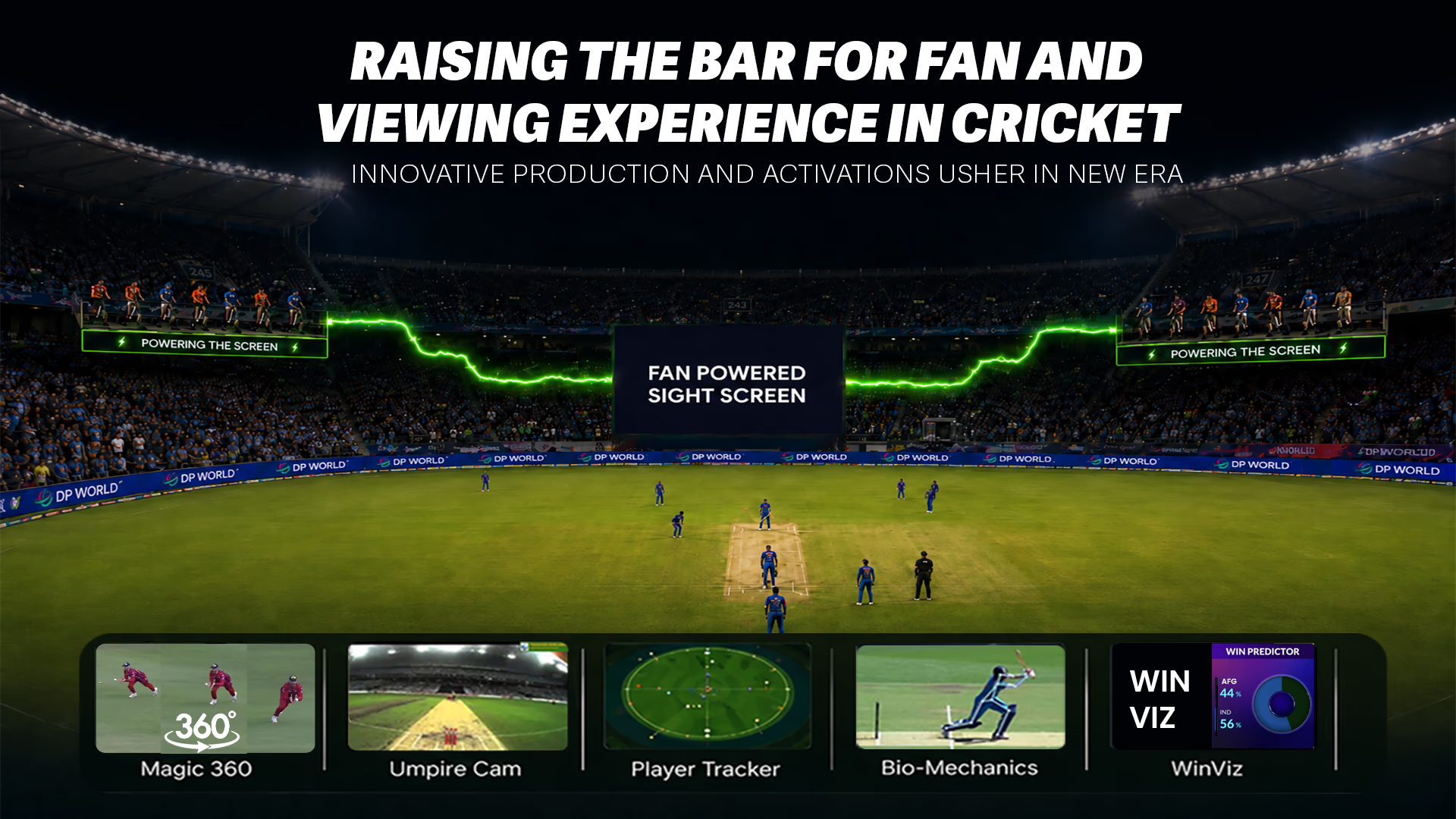
The recent India vs. Afghanistan bilateral series pushed these boundaries further by deploying a suite of broadcasting innovations—ranging from “Matrix-style” camera freezing and biomechanical tracking to green, audience-powered stadium technology.
Here is my breakdown of how these technologies are changing the way fans watch cricket and why live sports broadcasting is shifting from passive viewing to interactive entertainment.
1. Cinematic Camera Angles: Bringing “Hollywood Tech” to the Pitch
Modern sports directors now borrow visual techniques directly from cinema. Just as Martin Scorsese uses tracking shots or Wes Anderson relies on strict symmetry, modern sports broadcasts build emotional narrative arcs using specialized visual tech.
+------------------+--------------------------------------------------------+
| Technology       | Visual & Analytical Impact                              |
+------------------+--------------------------------------------------------+
| Magic 360 Camera | Freezes action to rotate 360° around the player        |
| Skel Track       | Reveals biomechanics: balance, head angle, weight shift|
| AI Umpire Cam    | Stabilized first-person view directly from the field   |
| Player Tracker   | Real-time field placements for tactical analysis        |
+------------------+--------------------------------------------------------+
Why This Matters for Fans
- Biomechanical Context: Tools like Skel Track break down the mechanics of a cover drive or a yorker, educating viewers on body balance, transfer of weight, and angle of execution in real time.
- The “Armchair Captain” View: Real-time Player Trackers give fans a complete bird’s-eye view of field placements, allowing home viewers to evaluate tactical decisions alongside the captain.
- First-Person Immersion: AI-stabilized Umpire Cams place the audience directly in the line of fire of a 140+ km/h delivery.
Blogger’s Insight: Viewers no longer just want high-definition video; they want data-rich context. By treating live action like a real-time tactical simulator, broadcasters keep digital-native audiences engaged across second-screen platforms.
2. Kinetic Fan Power: Sustainable Tech Meets Stadium Engagement
The series also introduced a cricket first: a fan-driven sight screen powered by kinetic energy.
Instead of relying solely on traditional diesel generators, fans at branded exercise bike stations in the stadium pedaled to generate kinetic power, directly supplying clean energy to run the sight screen.
This multi-layered approach creates a compelling intersection across four areas:
- Sustainability: Reduces generator reliance with audience-generated clean energy.
- Fan Participation: Converts crowd energy into tangible, visible match infrastructure.
- Fitness Activation: Encourages active physical participation among stadium spectators.
- Brand Integration: Gives lifestyle, energy, and wellness sponsors an authentic story to tell beyond static banner ads.
3. Non-Intrusive Monetization: The Future of Sports Sponsorship
One of the biggest pain points for modern sports broadcasts is ad clutter. Constant pop-ups, split-screen commercials, and disruptive overlays frustrate viewers and diminish brand recall.
By embedding contextual branding inside 360-degree replays, telemetry graphics, and physical stadium activations, brands become part of the spectator experience rather than an interruption.
As Bhairav Shanth, Co-founder of series rights holder ITW Universe, pointed out, the focus is shifting toward platforms where brands move beyond mere exposure to drive authentic engagement and long-term recall.
Final Thoughts: The New Baseline for Live Sports
The India–Afghanistan bilateral series proves that sports broadcasting is no longer just about delivering a clean video feed. The future of live sports lies at the intersection of AI analytics, cinematic camera angles, interactive fan participation, and non-intrusive brand integration.
Broadcasters that embrace these storytelling tools will capture the next generation of fans—turning casual viewers into fully immersed tactical analysts.
What’s Your Take?
Which broadcasting feature do you enjoy most during live matches—first-person umpire camera feeds, 360-degree freeze-frame replays, or real-time biomechanical data? Let’s discuss in the comments below!